At Crossroads at Big Creek, we are celebrating the predictable progression of the seasons.
“The boom and bust of the seasons has produced much variation in animal and plant life resulting in complex ecosystems,” wrote Russell Foster, a professor of circadian neuroscience at the University of Oxford and co-author of "Seasons of Life"
Without seasons, he wrote, there would be “fewer species with much less diversity in form and behavior. It is also possible that life would not exist at all. Because the Earth had a huge diversity of life-forms, there has always been some form of life that has been able to bounce back after major extinction events.” [note: Biodiversity is more important than most of us realize.
Foster also explained that the seasons shaped our ecosystems and by extension, human history.
If we did not have seasons, we would not have deciduous trees…think fuel and building materials and fruits and nuts.
If we did not have seasons, we would not have annual (cold season dependent) plants so agriculture as we know it would not have been possible. And agriculture was absolutely necessary to support increasing human populations, and for the establishment of cities, thus the development of advanced civilizations (but alas, also of wars). And on and on. Pondering the “what ifs” of our Earth without seasons boggles the imagination.
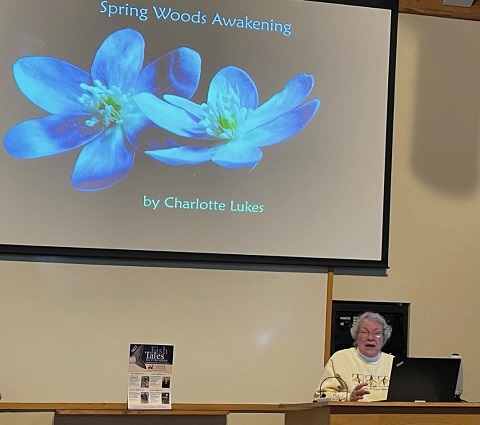
But even on a small, peninsula-sized scale, the progression of the seasons shapes our lives. On Tuesday, April 29 at 6:30, The Door County Master Gardeners and Wild Ones-Door Peninsula, are bringing Charlotte Lukes to present “Seasons of Nature in Door County.” She will discuss wildlife and plants in the four seasons. A special feature will be some aerial photos that her late husband Roy took 20 years ago of some state parks, The Ridges Sanctuary and the islands at the northern tip of the peninsula.
On the last Wednesday of the month, the Crossroads Book Club will gather around the fireplace to discuss “Rooted, Life at the Crossroads of Science, Nature and Spirit” by Lyanda Lynn Haupt. This collection of essays, as the book jacket states: “is cutting-edge science that supports the truth that poets, authors, mystics, and earth-based cultures have proclaimed over the millennia.” Not surprisingly, this book repeatedly describes how plants and wildlife respond to the ratio of daylight to night and the resultant progression of the seasons.
On Wednesday, May 1, the Door County Library in collaboration with the Door County Master Gardeners, the Seed Library and Crossroads will host a watch party for a live-stream webinar featuring nationally-known and Wisconsin-based horticulturist Melinda Myers called “Ornamental Fruits and Vegetables”. Growing varieties of these season-dependent plants that are both ornamental and productive will increase the nutritional value and beauty of a landscape.
To help people learn more about how wildlife responds to the seasons, on Thursday, May 2 at 6:00, Joel Vos, Refuge Manager of the Green Bay and Gravel Island National Wildlife Refuges will present a program called “Green Bay’s Wildlife Refuges.” The presentation will discuss the important federal wildlife and habitat conservation work going on in Door County on the federally managed islands that make up the two refuges and the Wisconsin Islands Wilderness Area, and the historic preservation efforts ongoing at Plum and Pilot Islands.
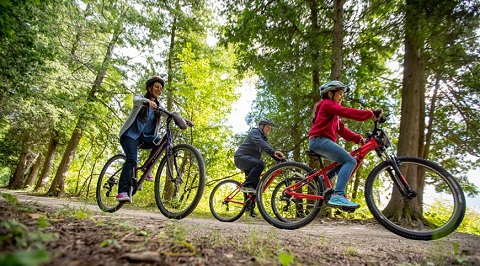
The community is welcome to celebrate the changing seasons by exploring the trails of Crossroads' three preserves all day, any day free of charge.
Wednesday, April 24
10:00 Crossroads Book Club
Gather around the Learning Center fireplace to discuss “Rooted, Life at the Crossroads of Science, Nature and Spirit” by Lyanda Lynn Haupt. This collection of essays, as the book jacket states: “is cutting-edge science that supports the truth that poets, authors, mystics, and earth-based cultures have proclaimed over the millennia.” You need not have read the book to attend. Free and open to the public. Meet at the Collins Learning Center, Crossroads, 2041 Michigan Sturgeon Bay.
Saturday, April 27
10:00 Family Program: Science Saturday-Fossils
Learn a bit about how Door County fossils were formed and then, pick up some tips and tricks for picking up fossils. Weather permitting, the learners of all ages will venture outside for a real fossil hunt, so dress for the weather. Each participating family will receive a free Door County fossil pamphlet. Free and open to the public. Meet at the Collins Learning Center. Crossroads, 2041 Michigan Street, Sturgeon Bay.
.
Tuesday, April 30
6:30 Master Gardener/Wild Ones Lecture: “ Nature through the Four Seasons”
Join Charlotte Lukes and travel through Door County to see stunning images of wildlife from spring to winter including wildflowers, trees and birds along with some animals, insects, reptiles and mushrooms. There will be a few aerial photos of our parks and preserves as well. Sponsored by Door County Master Gardeners, Wild Ones-Door Peninsula and Crossroads at Big Creek. Free and open to the public. Meet at the Collins Learning Center, Crossroads, Sturgeon Bay, Wisconsin.
.
Wednesday, May 1
6:30 Webinar Watch Party: Ornamental Fruits and Vegetables with gardening expert & author Melinda Myers
Increase the nutritional value and beauty of your landscape by incorporating attractive fruits and vegetables into your landscape, garden beds, and containers. Growing varieties that are both ornamental and productive increases the opportunities for creating a beautiful space right outside your door. We will look at new and proven fruit and vegetable varieties suited to both gardens and containers. Sponsored by Door County Library, Seed Library and the Door County Master Gardeners. Free and open to the public. Meet in the Lecture Hall of the Collins Learning Center, Crossroads 2041 Michigan, Sturgeon Bay.
Thursday, May 2
6:00 Lecture: Green Bays Wildlife Refuges“
With family-friendly outdoor adventure, fascinating cultural sites, and state and federal public lands ready to be explored, Door County, Wisconsin is special for many reasons. But, did you know that Door County is home to 2 National Wildlife Refuges, and a federally designated Wilderness Area? Join Refuge Manager, Joel Vos, from Green Bay and Gravel Island National Wildlife Refuges for a presentation about the U.S. Fish and Wildlife Service (USFWS), the Green Bay and Gravel Island National Wildlife Refuges. The presentation will discuss the important federal wildlife and habitat conservation work going on in Lake Michigan, the federally managed islands that make up the two refuges and the Wisconsin Islands Wilderness Area, and the historic preservation efforts ongoing at Plum and Pilot Islands. Part of the 570 refuges across the nation, you'll leave with a better understanding of the important work the USFWS does as part of the rich conservation traditions of Wisconsin and Door County. Free and open to the public. Lecture hall, Collins Learning Center, Crossroads, 2041 Michigan Sturgeon Bay.














(1).jpg)