








Although I have written on the topic of engine braking over the years, it unfortunately remains a source of numerous complaints. I wanted to share some information regarding engine braking, as well as some underlying issues that tend to exacerbate the matter.
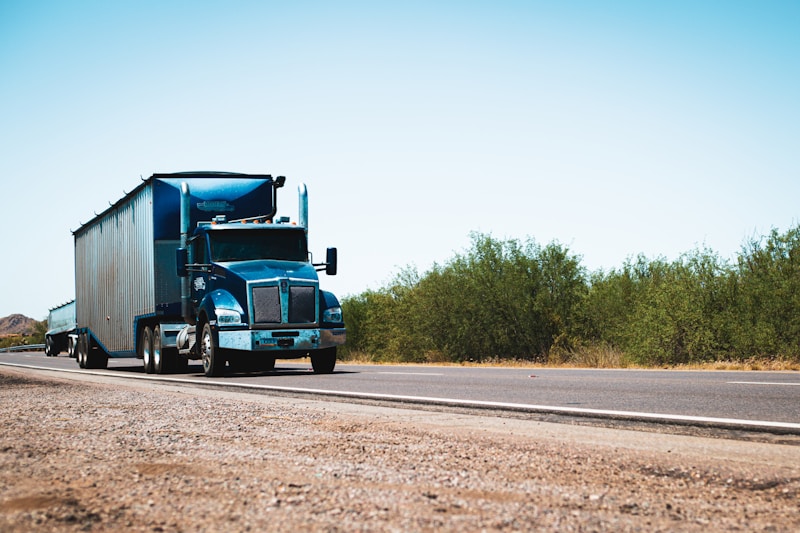
Engine braking, or compression braking, is the use of an engine’s compression to slow a vehicle. Typically, we slow our vehicles using standard friction brakes. Some of us who have experience with manual transmissions may slow a vehicle by downshifting, which is a form of compression braking. Even the simple act of letting off the accelerator is a form of engine braking. For the most part, this is not a significant issue. However, in the world of large trucks, engine braking can be a critical tool—both for stopping quickly in an emergency and for reducing pressure on primary brakes when descending a hill.
With heavy trucks, the issue becomes the noise created when back pressure is expelled through the exhaust system. For those living near an intersection or hill, the closest analogy is that of a jackhammer, and it can be a source of irritation—especially when used during early morning hours or when multiple trucks are frequently shuttling products or materials.
Many communities have developed ordinances governing the use of engine braking, which can be a possible solution. Some communities have erected signage warning drivers that engine braking is prohibited, but without enforcement, such signs have limited effectiveness. Even with ordinances, enforcement can be difficult, as there are legitimate instances when an engine brake can and should be used.
Most heavy trucks can engage these systems without issue as long as they have appropriately manufactured exhaust. However, the modification of exhaust systems on heavy trucks—combined with the use of engine braking—is where we seem to have the biggest problems. These modifications are legal as long as the truck is coupled to agricultural equipment. I have spoken numerous times to our state legislators about this, and I hope we can work to correct this oversight.
Aside from efforts to change current laws, this issue might also be improved through education and awareness. Operators of large trucks need to understand the impact this noise has on our community, and residents need to recognize that there are times when this equipment must be used. I am not a big proponent of additional laws, believe it or not, and I am hopeful this issue can be resolved through mutual respect and understanding. However, if we continue to see the needless use of engine braking, an ordinance and subsequent enforcement remain options.
If you witness what you feel is repeated, unnecessary engine braking, please obtain the name on the truck, and I will personally follow up with the owner or operator. Feel free to call my office directly at 388-7177.

